Table Of Content
The distinctive conical roof of the oast is needed to create a good draught for the fire. "The issue that most of these oast houses have is that they have an incredibly binary relationship with the outside," said Ludewig. In order to make the house suitable for modern family life, ACME had to break some of the usual rules of oast house construction. Oast houses can be found in various locations across the South East of England, particularly in Kent and Sussex. Other regions such as Herefordshire, Worcestershire, Hampshire, Surrey, and Greater London also have a significant number of oast houses. Oast houses were traditionally constructed using timber, although later buildings used other materials such as brick and tile.
What is the significance of oast houses in the hop industry?
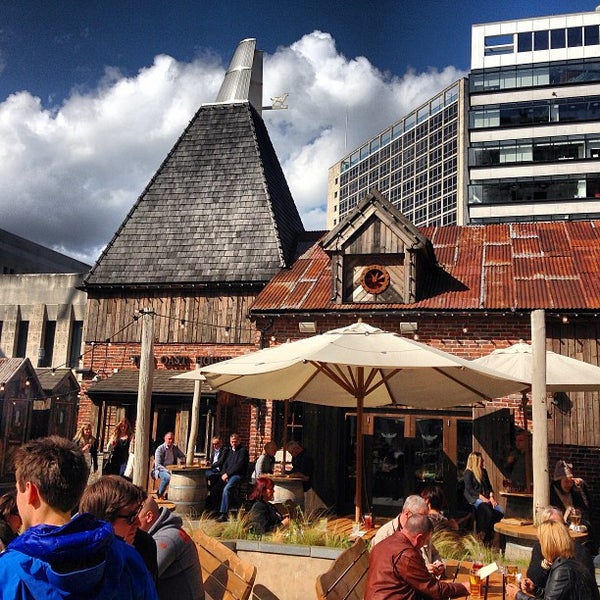
These include our tasting room (aka. The Beer Shed), events space (aka. The Hayloft) and Niagara’s coolest outdoor Patio. Previous examples include a shopping centre modelled on old-fashioned arcades and a house extension that references Norfolk's historic mill houses. Over 41,000 tiles clad the walls and roof of the house, designed to match the natural variations in traditional terracotta shingles.
Hop drying
The towers are all connected to a triple-height central space that opens out to an orchard setting and forms the heart of the house. This was made possible by assembling the frame with thick timber modules, topped by cones manufactured offsite and then craned into position. Hampshire, Surrey, and Greater London, though not as densely populated with oast houses, still have their fair share of these architectural gems. In Hampshire, areas like Alton and Basingstoke are worth exploring for their unique oast house structures. Surrey, with its picturesque villages and countryside, offers a few hidden oast house treasures.
Kitchen Hours
Hopped beer became increasingly popular due to its longer shelf life and stronger flavor compared to traditional ale. Oast houses were built to dry the hops, playing a crucial role in the brewing industry. The transition from traditional ale to hopped beer marked a significant shift in brewing practices. Sussex’s hop growing heritage is an important part of its cultural identity, and many oast houses in the area serve as reminders of this history. Oast houses have a distinctive architectural design that sets them apart from other buildings. They are not only functional structures but also cultural landmarks that showcase the unique blend of oast house architecture and the traditional hop drying process.
Exploring the History of Oast Houses Today
The history of kiln drying underscores the innovative spirit and progress within the brewing industry. With each technological advancement, the drying process has become more refined, cementing the importance of oast houses in hop production. As the brewing industry continues to evolve, kiln drying remains an integral part of the process, ensuring the highest quality hops for the creation of exceptional beers. Over time, the agricultural landscape and practices have undergone significant changes, leading to a decline in hop production. The introduction of cheap imports from Europe and changes in consumer preferences led to a decrease in the demand for locally grown hops.
Malthouses Vs. Oast Houses: Clarifying the Difference
It was then that hops began to be grown in Kent, and a flourishing brewing industry grew up in nearby London. As well as Kent, the main hop growing counties were Sussex, Surrey, Hampshire, Herefordshire, and Worcestershire. Furthermore, the preservation of oast houses contributes to the overall character and charm of rural areas. These unique structures add to the visual appeal of the landscape and serve as a reminder of the cultural traditions and practices of the past. By protecting and restoring oast houses, we ensure that future generations can experience and appreciate their cultural significance. The 19th century was a prosperous era for the hop industry in Kent and Sussex, as the demand for hops increased significantly.
Oast Houses Are the Most Astonishing Buildings in All of England
The views outside are also stunning and people can look out into the horizon to the sea or just admire the property's garden. And some of Kent’s famous oast houses actually date all the way back to the 15th century. Even those born and bred in the south east of England will have a blank face when asked about oast houses and why they look the way that they do. The conical sleeping spaces on the upper levels are the most impressive rooms in the house, as their walls are covered in plywood shingles. A kitchen is set into the base of one tower, another contains a lounge area, while a dining area is located in the central space. Originally owned by the Whitbread brewery company, The Hop Farm in Kent operated as a fully working farm before opening its doors to the public and hosting family-friendly events throughout the year.

A 2019 poll by onthemarket.com found that Britons would pay up to £50,000 more for homes on streets with regally titled names, such as Royal, Palace, King or Queen. Similarly, a study by London estate agents Wetherell found that the most sought-after addresses can add up to 40% to the price of a home. But some of the findings suggest that house names also play a role in stimulating the imagination, painting a picture in the minds of buyers that might make a house appear particularly appealing. The Old Rectory and the Old Vicarage, for example, featured in the top five most expensive house names, and commanded average prices of £1.3 million and £1.08 million, respectively. But simply adding or changing a house name won’t guarantee an increase in interest or value, particularly if it doesn’t reflect the home’s characteristics accurately.
Luckily in early 2011 the iconic “big, red barn” became available and was purchased as the future home of the Niagara Oast House Brewers. Driving through the Sussex and Kent countryside you’d be forgiven for wondering just what the funny looking conical roofs peeking from the old stone buildings were for! Oast houses represent the history of the UK’s brewing industry and its agricultural heritage.
Homeowners should think carefully and select something that emphasises the nature of the property or highlights its most desirable qualities. The right house name may make a property more appealing to prospective buyers and even boost its market value, according to experts, which makes choosing the perfect moniker a bit of an art. The most viewed property in the whole of the country was in Besthorpe, Nottinghamshire, at £750,000. On the market for £625,000 the quirky building would be sure to make a dream home in the countryside for the lucky buyer. Ale has been brewed in England since the Romans, and at one point after every house would have brewed its very own ale.
This led to a thriving hop farming industry in these regions, with records from 1835 showing that over 11,000 acres of land in Sussex were dedicated to hop cultivation. As hop farming flourished, oast houses became integral parts of rural farmsteads, with many farms having their own oast house for drying hops. Oast houses were traditionally constructed using timber, giving them a rustic and charming appearance.
There are plans to create a more landscaped garden for the house in the summer, including an apple orchard. The house also contains a fourth bedroom on the ground floor, occupied by the mother of one of the clients, and a study. The other three contain two-storey bedroom suites, each with their own en-suite bathroom and dressing room, which the clients' children also use as playrooms.
Bumpers Oast House / ACME - ArchDaily
Bumpers Oast House / ACME.
Posted: Fri, 20 Mar 2020 07:00:00 GMT [source]
Tour groups meet near Avila Bay, or you can join a 1-hour, 2-mile organized hike along the Pecho Coast Trail to the lighthouse for a 1-hour docent-guided walking tour. Large estates in places like Aspen or Los Angeles often acquire names over time. Choosing the right name for a super-prime property can lend it an air of prestige, Arana said. Although drinking them is great, it was the process of creating these traditional beers of origin that really inspired us. For us, those were always yeast driven beers with great flavour, depth, balance, ageability and a little hit of good ol’ rustic, cellar funk! The house has a unique mezzanine floor with a bedroom overlooking the open plan living space.
Hampshire, Surrey, and Greater London also boast their fair share of these iconic structures. In a nutshell, an oast house or hop kiln is a building created to dry hops as part of the brewing process. In 2019, ACME, a London-based architecture studio, designed a stunning 21st-century version of an oast house for residential purposes. The project, called Bumpers Oast, was built in Kent, and features four towers covered in terracotta shingles that mimic the traditional brick. A tenant hops farmer manages the farm and, every September, the hops are picked, cleaned from their leaves and stems by 1950s diesel machinery, and dried in the old-fashioned way in an oast. You can visit the farm at that time of the year, see the process for yourself, and take a peek inside the oast.
Oast Houses were traditionally used to dry out the hops equipped with a fiery kiln, a drying room and a cooling room. The conical kiln roof was topped with an oast cowl to create a draft that kept the fire alight and was fueled by wood until the 17th Century when charcoal took over. Oast houses are responsible for drying hops, which are later used to flavor and aroma the brewed beer. Malthouses, on the other hand, are used for drying barley to produce malted barley needed in the brewing process. The South East of England is home to a multitude of oast house locations, each with its own distinctive character. From the picturesque landscapes of Kent and Sussex to the quaint rural areas of Herefordshire and Worcestershire, these regions showcase the beauty and significance of oast houses.
The Point Vicente Interpretive Center is nearby and provides lighthouse history and exhibits. This active lighthouse’s 67-foot tower is featured in a variety of movies and TV shows as it sits on the Palos Verdes Peninsula in Los Angeles. On the last Wednesday of each month during the summer, volunteers will be at the lighthouse for Walk-in Wednesday. Two-hour tours are offered on Tuesday, Thursday, and Saturday mornings year-round from the Piedras Blancas Motel.


No comments:
Post a Comment